Weekly Market Update 7/10/2026
|
|

Here is your weekly market update from the Garden City Co-op Grain Origination Team.
Trivia
-
What do you call a group of porcupines?
-
Which NBA team plays its home games at Madison Square Garden?
Answers at the bottom.
Market News
WASDE UPDATE: Bullish WASDE figures for corn and soybean stocks provide an initial boost. Domestic feed use of old-crop corn for 2025/26 rose by 150 million bushels, while ethanol use dropped by 25 million bushels, resulting in a net decline of 125 million bushels in old-crop stocks. New-crop exports increased by 50 million bushels, with ending stocks for '26/27 down 170 million bushels. Globally, production for '25/26 is up 1 million tonnes, mainly due to Argentina's 2 million tonne increase, but ending stocks fell by 5 million tonnes because of higher U.S. feed use. New-crop output decreased by 3.3 million tonnes, with the EU down by 3.7 million tonnes, leading to an overall carryout reduction of 6 million tonnes. For old-crop soybeans, exports have increased by 10 million bushels, resulting in a 10-million-bushel reduction in carryout. New-crop exports have also risen by 30 million bushels. However, this is countered by a 40-million-bushel increase in 2026 production, due to the incorporation of the June acreage figures. The global soybean balance remains largely unchanged, with slight reductions in ending inventories for new-crop soybeans in both the U.S. and Brazil, driven by higher exports. Old-crop wheat stocks have decreased by 15 million bushels, according to the June stocks figure. New-crop carryout is down by 22 million bushels, resulting from a 7-million-bushel loss in production. While there was an increase in yield, it was more than offset by a decrease in acreage per the June USDA report. Old-crop world output and stocks are down slightly, while new-crop carryout has fallen by 2.6 million tonnes due to improved usage and exports. Now that the report is out of the way, wheat continues to drive the market today after reports emerged that the Kerch Strait is closed through the weekend due to hostilities there. Back to trading what we don’t know – spring wheat production, the geopolitical situation in the Black Sea/Middle East, and El Niño/Southern Hemisphere production. Global production is down, but given last year's high production. However, crop quality, demand, and logistics will be of greater interest in the future. But corn and soybeans are maintaining gains today, as the USDA has reaffirmed its feed usage numbers following the June stocks update.
OUTSIDE MARKETS: President Trump has agreed to continue negotiations with Iran at their request. However, he stated that the ceasefire is over following Iran's attack on three ships in the Strait of Hormuz within a 24-hour period earlier this week. Midday trading saw stocks mixed to slightly higher, while the VIX dropped below 15.5, reaching a new one-month low, even as tensions escalated in the Black Sea region. The dollar index is currently around 100.7. Yields on 10-year Treasuries are approximately 4.55%, while 2-year Treasuries are yielding about 4.20%. Meanwhile, WTI crude oil is trading near $71 per barrel, and Brent crude is priced around $76 per barrel.
NCGA INPUT STUDY: The National Corn Growers Association (NCGA) recently conducted a study over premiums paid by U.S. Farmers versus Brazilian Farmers. The results were far from positive as price gouging in the United States has become even more apparent. After comparing all corn seeds, U.S. prices averaged a 68% premium in the last couple years over Brazil. Herbicides and fungicides, depending on the crop, were near double Brazil and even more than double in certain instances. Insecticides varied by crop but were 87% higher on average. These figures were put together from lots of research to see input cost effects on competitive edge in the global market. Unfortunately, companies selling these products are leveraging trade laws to adjust their market share and continue to increase prices for the farmer. NCGA is actively working to get transparency from these companies as well as pursuing legislative reform on pricing and sourcing products. Krista Swanson, NCGA chief economist says, “It’s easy to focus on corn prices when talking about the farm economy, but that misses a big part of the story. The other side of the equation is what farmers are paying to put a crop in the ground, and those costs have kept climbing to levels that are becoming unsustainable.”
EXPORT SALES AND INSPECTIONS: Corn export sales totaled 22.3 million bushels this week – falling 22.2 million bushels behind last week’s values and falling just below current trade estimates. New crop corn sales were reported at 15.8 million bushels sold. Current week corn export inspections totaled 64.6 million bushels, down 6.9 million bushels from the week prior. Old crop soybean sales were reported at 2.0 million bushels, with 15.0 million bushels of N/C soybean sales reported. Soybean export inspections for the week were reported at 19.4 million bushels – landing above the running 10-week average and on the upper end of trade estimates. All wheat export sales totaled 11.5 million bushels this week. Current week wheat export inspections totaled 4.9 million bushels – falling 6.1 million bushels below current trade estimates. No milo export sales were reported this week and export inspections totaled 0.1 million bushels, 6.6 million bushels below export inspection values the week prior.
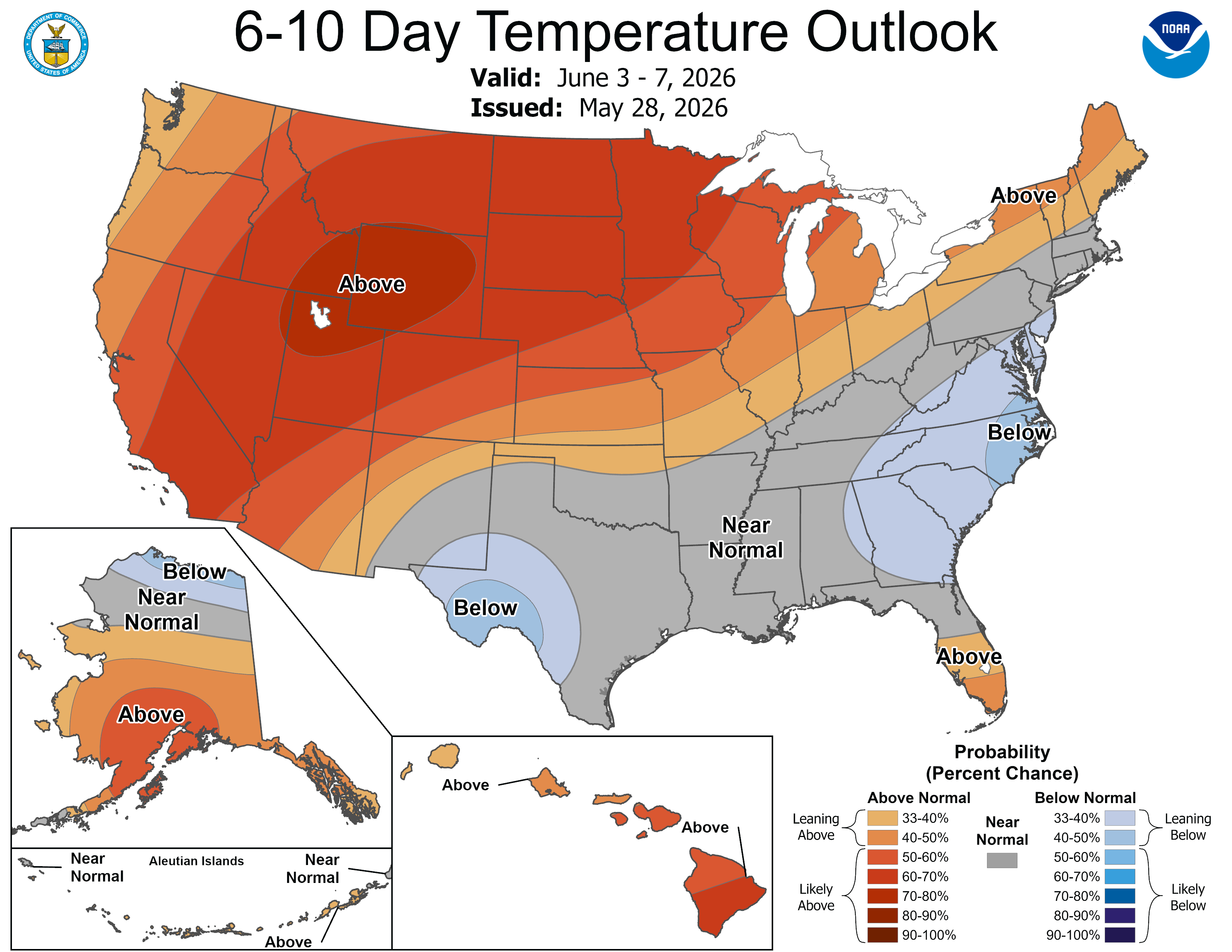
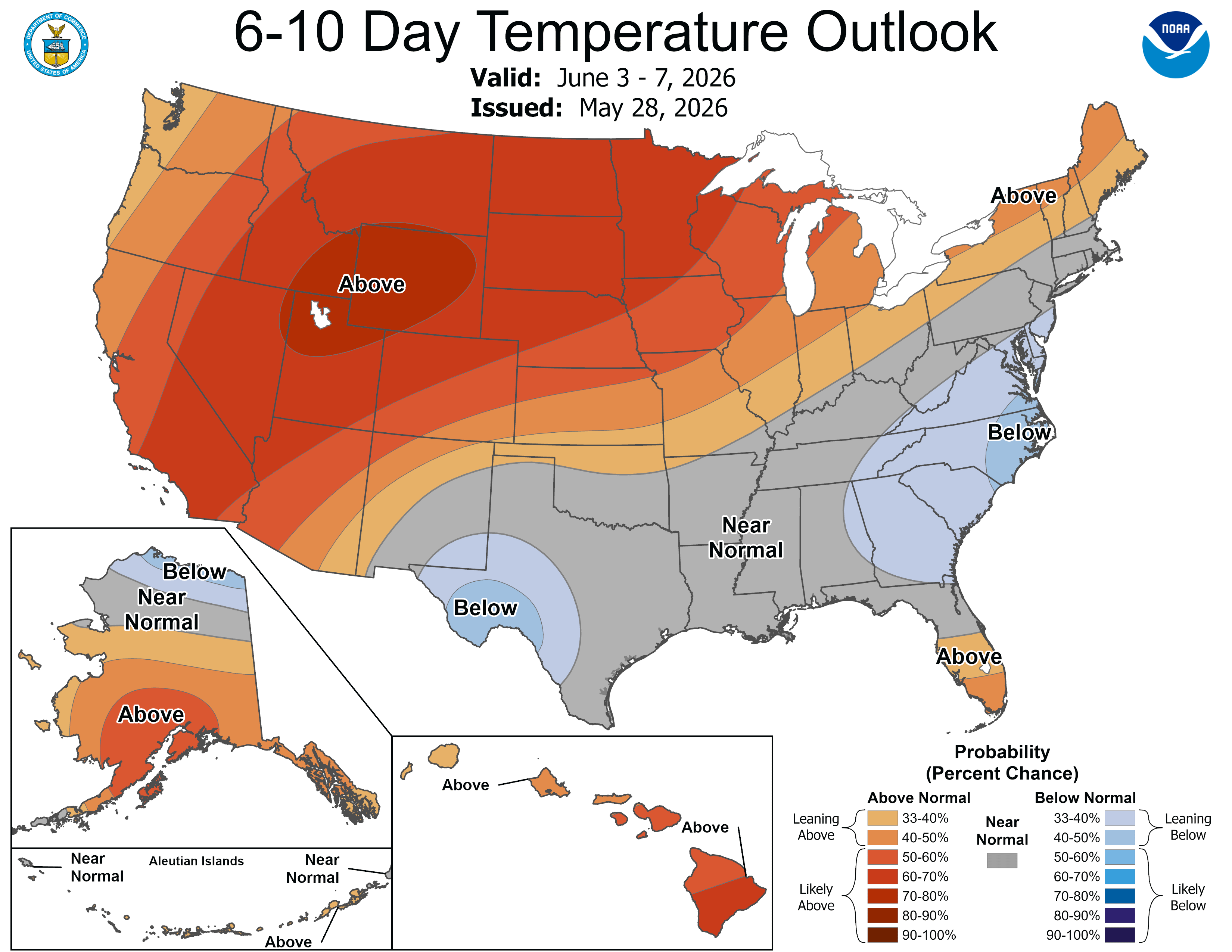
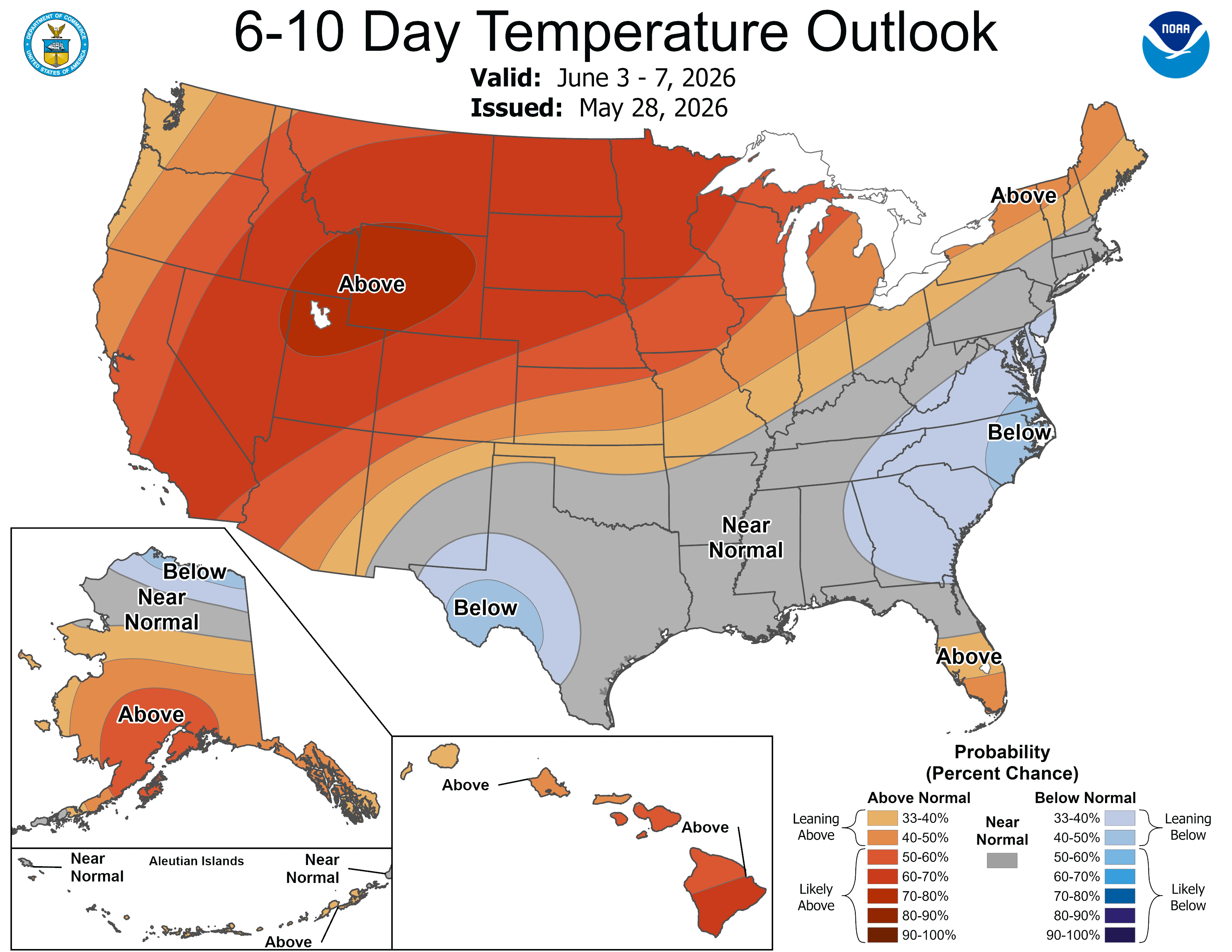
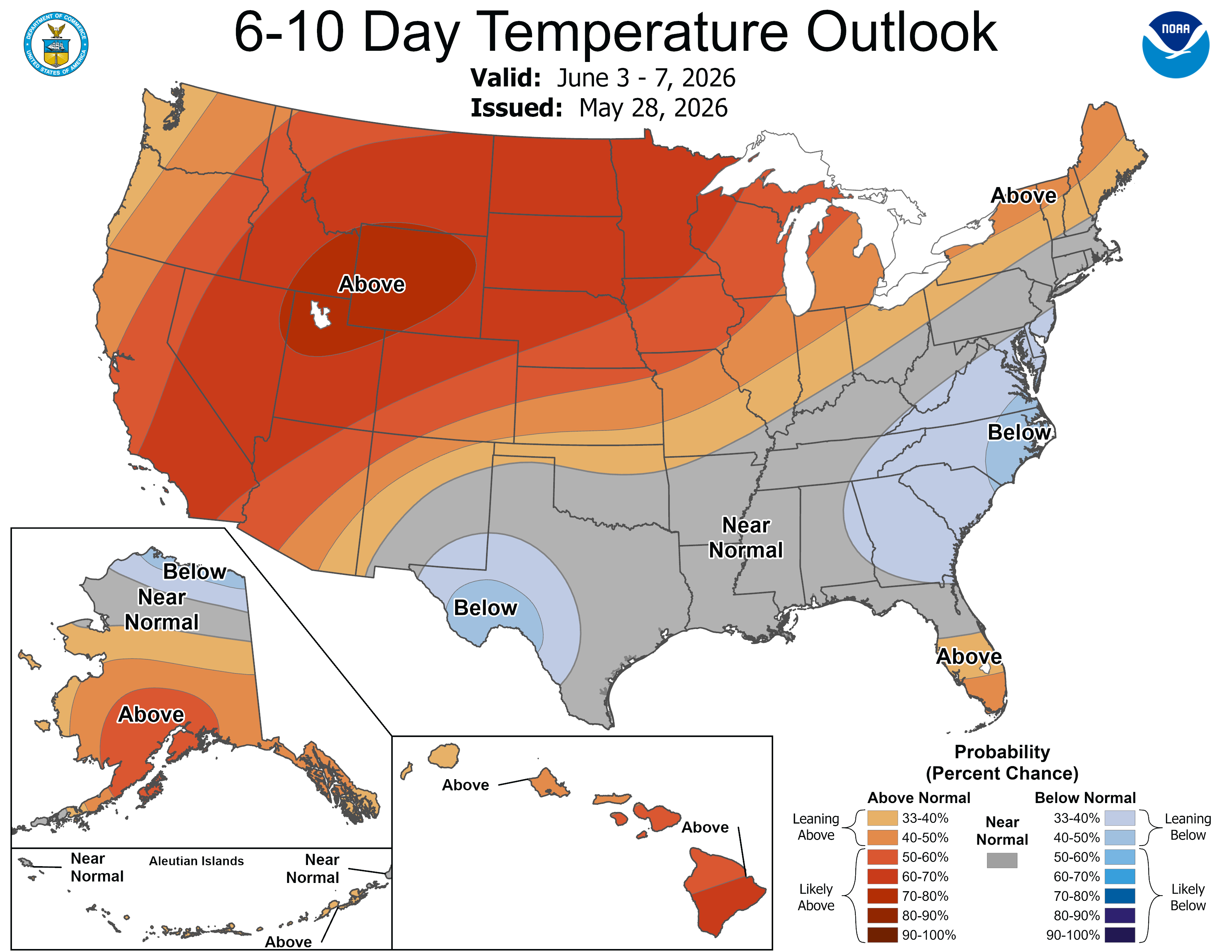
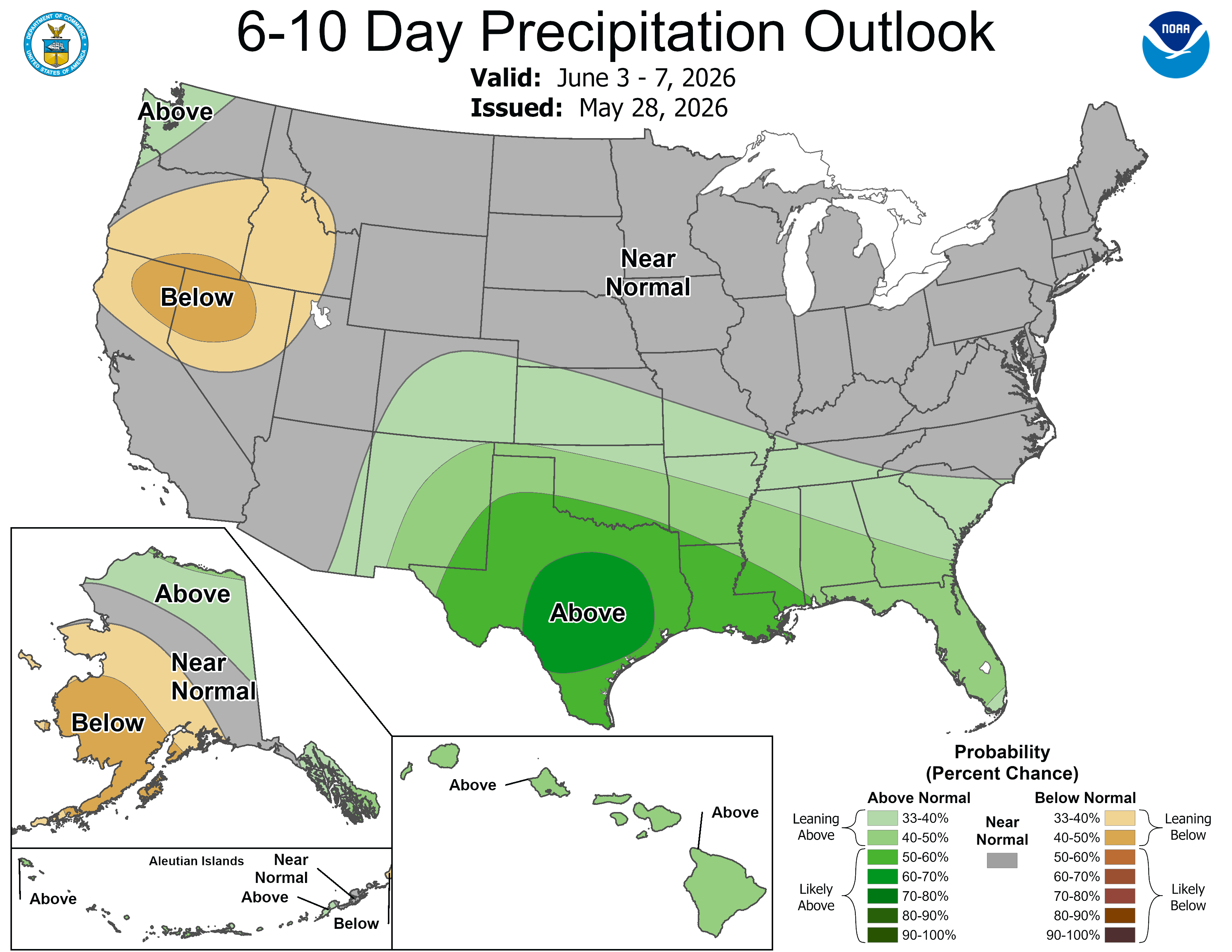
WEATHER: Sunny today with a high of 91°F after rains fell around the area last night. Tonight there is another 20% chance of thunderstorms between 9pm and 1am. The weekend looks to be hot and sunny with highs near 93°F and overnight lows near 65°F. County fair season is upon us and so is the weather – sunny with highs in the 90s for all of next week.
|
|
|
Trivia Answers
-
A prickle
 New York Knicks